Eco-Friendly Approaches: How E-Waste Recycling Services Are Preserving Our Planet
Electronic waste presents serious dangers to the environment, as discarded electronics often contain toxic materials. These hazardous substances can contaminate soil and water, leading to broader ecological damage. E-waste recycling initiatives provide a practical answer. They serve the dual purpose of reclaiming precious materials and reducing contamination. Understanding how these services operate and their impact on communities is essential. The path to successful electronic waste management prompts vital discussions about personal accountability and communal efforts. What steps can be taken next?
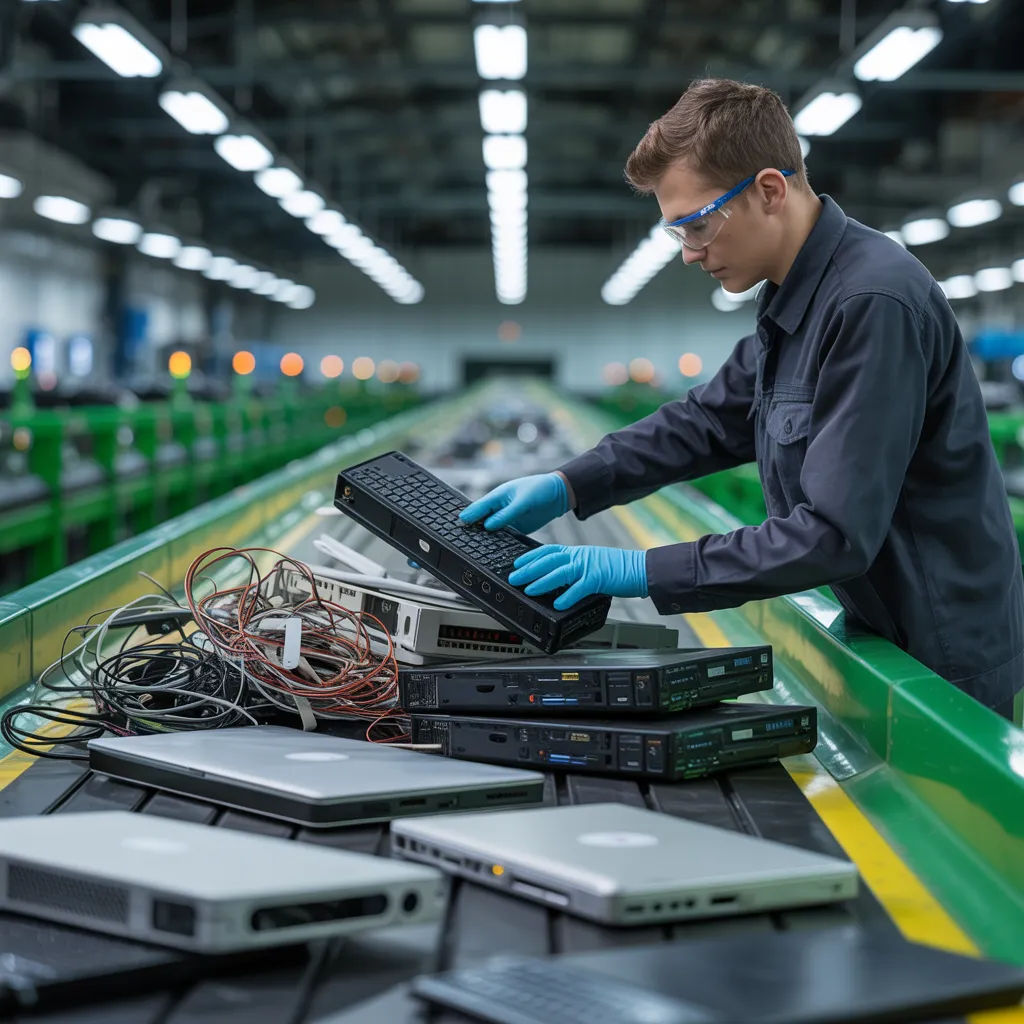
Why E-Waste Poses a Threat to the Planet
Although technology enriches contemporary living, e-waste creates significant environmental threats. Discarded electronic devices, frequently composed of hazardous materials such as cadmium, lead, and mercury, may release harmful substances into groundwater and soil, creating hazards for human health and ecosystems. The accelerating rate of technological innovation leads to increased consumer turnover of electronics, intensifying the growing problem of discarded electronic materials.
Landfills, already overwhelmed with refuse, find it difficult to handle the increasing amounts of discarded devices. Burning, an alternative disposal approach, discharges toxic contaminants into the air, worsening overall air quality. Moreover, poor recycling procedures can cause e-waste to be sent to developing regions, where employees may disassemble electronics without sufficient safety precautions, leaving them vulnerable to harmful substances. This cycle of neglect and improper handling underscores the urgent need for sustainable recycling solutions that can mitigate the adverse effects of e-waste on the planet.
Understanding E-Waste and Its Significance
E-waste, also referred to as electronic waste, includes obsolete electronic products such as televisions, computers, and smartphones that are no longer functional or needed. This increasingly prevalent form of waste is important due to its rapid accumulation, propelled by advances in technology and evolving consumer behaviors. With an increasing number of devices reaching obsolescence, the ecological consequences become more pronounced, with harmful substances like lead, mercury, and cadmium posing risks to ecosystems and human health.
The importance of addressing e-waste lies not only in mitigating these hazards but also in recognizing the valuable materials it contains. Precious metals and rare earth elements can be recovered and reused, reducing the need for mining and conserving natural resources. By understanding e-waste and its implications, individuals and organizations can make informed decisions about disposal and recycling, ultimately contributing to a more sustainable future. Proper management of e-waste is essential for fostering a circular economy and promoting environmental stewardship.
How the E-Waste Recycling Process Works
The recycling of e-waste encompasses an organized procedure designed to recover valuable materials while limiting ecological damage. At the outset, discarded electronics are retrieved and sent to specialized recycling facilities. Upon arrival, the equipment is meticulously organized to separate hazardous components from recyclable materials.
Next, employees deconstruct the items, separating metals, plastics, and glass. This stage is crucial, as it enables the extraction of high-value metals like copper, gold, and silver, which can be reused in modern electronics.
Subsequently, the separated materials are refined using advanced techniques, such as shredding and specialized chemical treatments, to prepare them for recycling.
Ultimately, the leftover hazardous materials are disposed of responsibly, following eco-friendly standards. This systematic method not only conserves resources but also minimizes the hazards associated with irresponsible electronic waste disposal, securing a more eco-conscious future for electronic device usage.
Advantages of E-Waste Recycling for You and Your Community
While many individuals may not realize it, the advantages of e-waste recycling go far beyond individual benefit and actively shape entire communities. By responsibly disposing of electronic waste, individuals contribute to a cleaner environment, decreasing View more harmful substances that can seep into soil and water. This proactive approach actively safeguards local ecosystems and promotes public health.
Moreover, the recycling of e-waste encourages workforce growth within communities. Nearby recycling establishments regularly need employees for numerous tasks, including collection and processing, therefore offering work opportunities for local residents. This not only enhances the community economy but also inspires community dedication to sustainable efforts.
Additionally, knowledge about e-waste recycling has the potential to generate community outreach programs, enabling residents to embrace sustainable practices. By enrolling in e-waste recycling programs, individuals cultivate a culture of sustainability, motivating others to embrace similar practices. Overall, the cumulative impact of these actions can result in a more strong and environmentally aware community.
How to Choose an E-Waste Recycling Service
Choosing the best electronic waste recycling provider is crucial for making sure that electronic waste is handled with responsibility and sustainability. First, consumers should confirm the service's certifications, such as e-Stewards or R2, which demonstrate adherence to professional guidelines for safe recycling practices. Additionally, it is advisable to evaluate the organization's standing by reviewing feedback and seeking referrals from reliable sources.
Moreover, transparency in the recycling process is vital. A trustworthy company should offer detailed insights about the manner in which e-waste is managed and what becomes of the materials. Moreover, considering the scope of services provided can prove valuable; certain providers may offer collection services or present rewards for recycling.
In addition, familiarizing yourself with local guidelines related to e-waste disposal may further shape the choice of disposal method. By taking these elements into account, individuals can contribute to successful electronic waste reduction while supporting sustainable environmental efforts.
How You Can Get Involved in E-Waste Recycling?
Engaging in e-waste recycling may begin at the local level, where community recycling hubs often provide essential services for responsible disposal. Furthermore, joining community awareness campaigns can amplify efforts to educate others about the importance of proper e-waste handling. These initiatives not only advance environmental sustainability but also cultivate a collective sense of responsibility toward the environment.
Nearby Recycling Facilities
Many community recycling facilities play an essential role in electronic waste recycling, offering communities convenient opportunities to manage electronic waste appropriately. These hubs welcome a wide array of digital devices, including used computers, handheld devices, and televisions, ensuring that harmful materials are handled safely. Many hubs feature trained staff who are able to assist individuals with correct disposal techniques, underscoring the benefits of recycling compared to landfilling. In addition, numerous facilities provide organized drop-off opportunities or appointed collection periods, allowing residents to take part with ease. By taking advantage of these neighborhood resources, residents support a circular economy, reducing environmental impact and promoting sustainable practices. Working alongside these hubs enables communities to combat e-waste pollution successfully.
Public Awareness Initiatives
Nearby organizations, schools, and enterprises can partner to arrange initiatives that encourage e-waste collection drives. Community members can serve a critical function in spreading awareness, distributing educational materials, and engaging with the community. Through these collective efforts, community members grow more knowledgeable and inspired to dispose of their electronics responsibly, thus playing a meaningful role in creating a more environmentally responsible future.
Common Questions and Answers
What Electronic Devices Are Eligible for Recycling?
A wide range of electronics can be recycled, including smartphones, computers, laptops, televisions, printers, and gaming consoles. Furthermore, peripherals such as mice, keyboards, and batteries are also suitable for recycling, supporting efforts to conserve the environment.
Is There a Cost Associated With E-Waste Recycling?
Indeed, electronic waste recycling can include charges, subject to the provider. Some service centers apply costs for collection or processing, while others provide no-cost solutions, often subsidized by the proceeds from salvaged materials.
How Do Businesses Gain From E-Waste Recycling?
Organizations can gain from e-waste recycling by minimizing disposal costs, strengthening their ecological standing, adhering to regulatory requirements, extracting valuable resources, and possibly earning income through resale, ultimately contributing to a more sustainable operational strategy.
What Becomes of Data on Recycled Devices?
Details from repurposed electronics is often completely removed or destroyed during processing. This confirms confidential data remains secure, stopping improper access while permitting components to be reused safely and responsibly in new products.
Are Broken Electronics Eligible for Recycling?
Indeed, defective electronics can be recycled. Many centers process broken devices, ensuring safe disposal and extraction of valuable materials. It helps minimize the environmental footprint while fostering responsible recycling practices to manage e-waste efficiently.